
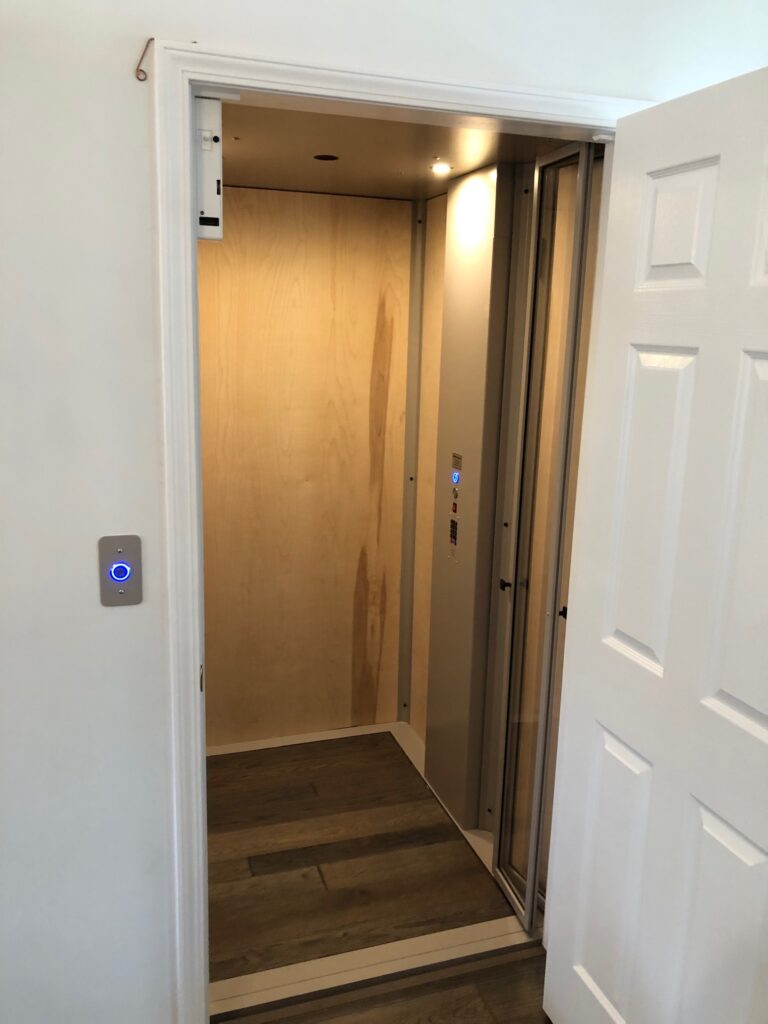
If you love your home but find the stairs increasingly difficult, moving is not your only option. A home elevator may help make different floors accessible while allowing you to stay in familiar surroundings.
Can you install a home elevator in an existing Utah home? In many cases, yes. However, the right solution depends on your home’s layout, structure, available space, and accessibility needs. A professional evaluation is the first step toward understanding what is possible.
Does Your Home Have Enough Space for an Elevator?
You do not necessarily need a large house to consider a residential elevator. Different systems have different footprints, and some compact designs offer alternatives to a traditional enclosed elevator shaft.
When researching home elevators in Utah, consider more than the space occupied by the cab. Door openings, landing areas, overhead clearance, and access to each floor also matter.
A location that looks suitable downstairs may not line up with usable space above. Before choosing a model, an installer should review the proposed travel path and how it affects rooms on each level.
Which Elevator Options Can Work in an Existing House?
Nationwide Lifts of Utah’s home elevator selection includes traditional elevators and compact designs with different installation requirements.
Traditional systems may require a constructed hoistway and other preparations specific to the model. Some panoramic designs use a self-supporting structure without a traditional hoistway. The Utah website also features a through-floor option designed to travel through a floor opening without a pit, hoistway, or machine room.
These differences can create more possibilities for an existing home, but no single design fits every property. The number of floors, travel distance, available clearance, and passenger requirements all influence the choice.
What Construction Work Should You Expect?
Residential elevator installation in Utah can involve changes to the house as well as installation of the equipment.
Depending on the selected system, preparation may include:
- Creating a floor opening or building a hoistway.
- Evaluating and modifying framing.
- Providing the required electrical supply.
- Preparing entrances and landing areas.
- Repairing nearby walls, flooring, or finishes.
An elevator that does not require a traditional shaft still needs a properly planned installation. Ask who will coordinate the construction work and what is included in the proposal.
Homeowners considering a retrofit in Salt Lake City, Ogden, or Provo should also ask which permits and inspections apply to their specific project. Requirements should be confirmed for the property and chosen equipment.
Will the Elevator Accommodate a Wheelchair?
Some residential elevators accommodate wheelchairs; others are designed for standing passengers or smaller spaces. Choosing an elevator for wheelchair access requires more than checking whether a wheelchair can fit inside.
Review doorway clearance, usable cab dimensions, weight capacity, and the space needed to enter and exit at every landing. Discuss the actual wheelchair or mobility device that will be used, along with any anticipated need for another passenger.
For families planning for aging in place in Utah, these details help connect today’s purchase to tomorrow’s accessibility needs.
What Affects the Cost of Adding a Home Elevator?
The cost of installing a home elevator in an existing house depends on the equipment and the work required to prepare the property.
Important factors include the elevator type, number of stops, cab finishes, structural modifications, and electrical work. Permit and inspection costs may also apply.
Request a written estimate that distinguishes equipment and installation from construction performed by other contractors. Ask about maintenance, warranty coverage, and ongoing service so you can consider the complete ownership picture.
How Do You Get Started?
Before requesting a quote, think about which floors you want to reach, who will use the elevator, and whether wheelchair access is needed. Photos or floor plans can help start the conversation, although final recommendations require a property-specific assessment.
If you are still comparing solutions, read Stair Lift vs. Home Elevator: Which Is Right for Your Utah Home? to explore the differences.
Ready to learn what could work in your house? Contact Nationwide Lifts of Utah to discuss home elevator installation in Utah and the next steps for evaluating your existing home.